DESCRIPTION OF ST. JOAN – NAKABARAN
Population: About 3000 (scattered population)
Geographical Details: Nakabaran is located in the district of Lorengo, on the southern side of Turkana West, about 40-50 km from Kakuma town.
Leaders: Sammy Lokir (School Teacher), Hellen Akal (Community Chairperson), Paul Lotiir (Bible Teacher), Esther Loitanat (Women Representative), and Cosmas Maraka (Village Elder).
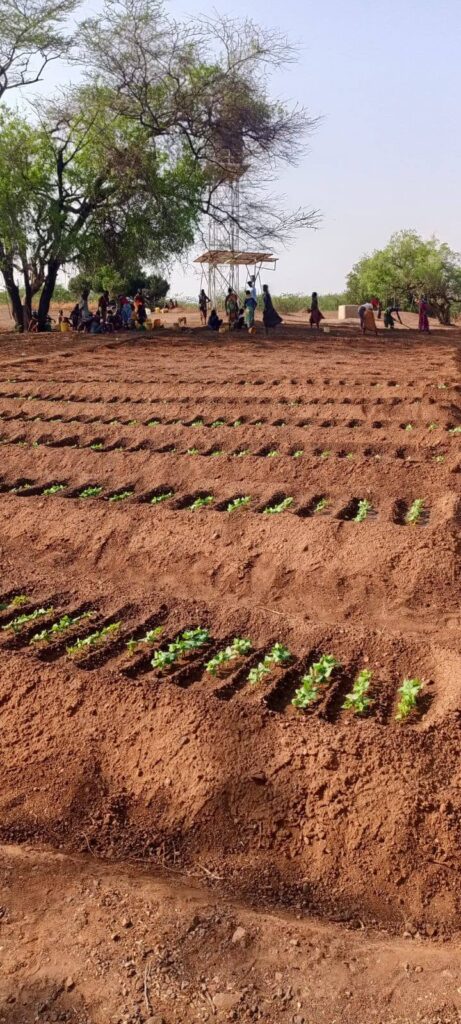
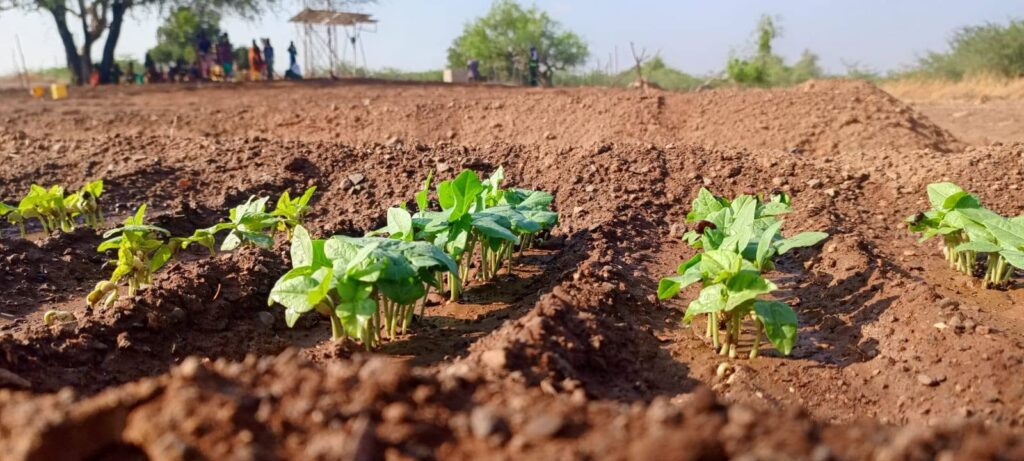
Land / Soil: From the first observation, the land looks rocky. However, 5-10 cm underground, there is a reddish soil. Soil samples were collected for analysis, and the analytical data revealed that the soil had non-saline capacities, suitable for crop production. However, there is poor organic matter status (low levels of Nitrogen and organic carbon), and it is strongly advised to incorporate compost, farmyard manure, or crop residues to improve soil fertility.
Environment & Vegetation: Nakabaran is surrounded by mountains, and its land is somewhat irregular i.e. has plateaus and hills. There is a growing vegetation composed of a scattered forest of indigenous trees growing in a discontinuous pattern. The most common indigenous trees are Eregae, Etiir/Ewoi, and Edapal, which constitute about 30% of the tree coverage. Unfortunately, the invasive Prosopis is growing at an alarming rate, already constituting about 40% of the tree coverage. The remaining 30% is constituted by diverse indigenous trees such as Ekalale, Eroronyit, Esekon, Edome, and more. This presence of diverse indigenous tree coverage implied that about 1000 years ago, a forest existed in this region.
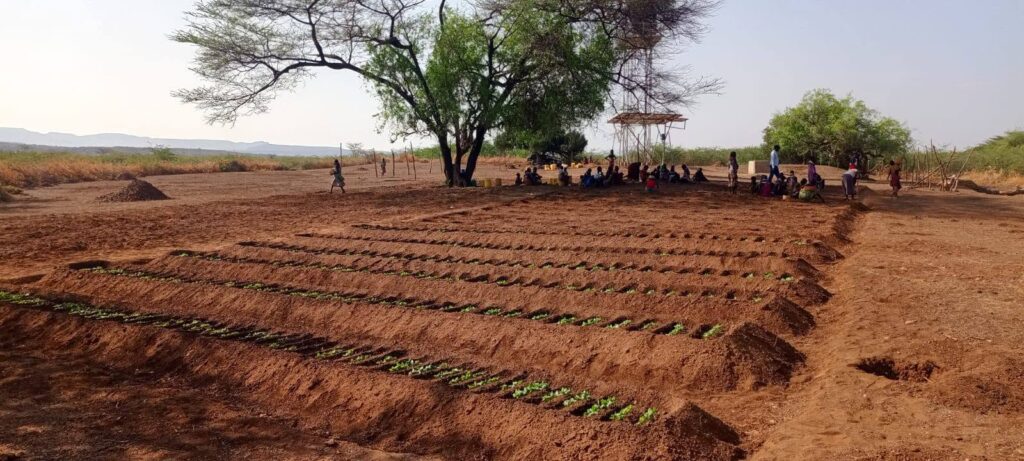
Water Access: The current borehole was drilled by the Catholic Church in 2023 under the jurisdiction of Fr Michael Mutai. In 2025, the system was upgraded with facilities including water tower and piping systems to the school by the Ed Colina Foundation donors.
Food: Children receive food at the St. Joan school, a facility built by donors from The Ed Colina Foundation. The sales of firewood and charcoal are the main livelihood for survival. Community members cut down the indigenous trees to make firewood or charcoal, then walk or ride bicycles with their firewood or charcoal to Kakuma town and the refugee camp, about 40-50km away from their village. Firewood (weighing about 5-7kgs) costs about KSH250-350, and a sack of charcoal (about 5-7kgs) would cost KSH300-500].
Health: There are no existing health facilities in the region.
Education: The ECD school was built by the Catholic Church under the jurisdiction of Fr Michael Mutai and donors from the USA foundation, The Ed Colina Foundation. There are teachers backed by some locals to help teach the children.
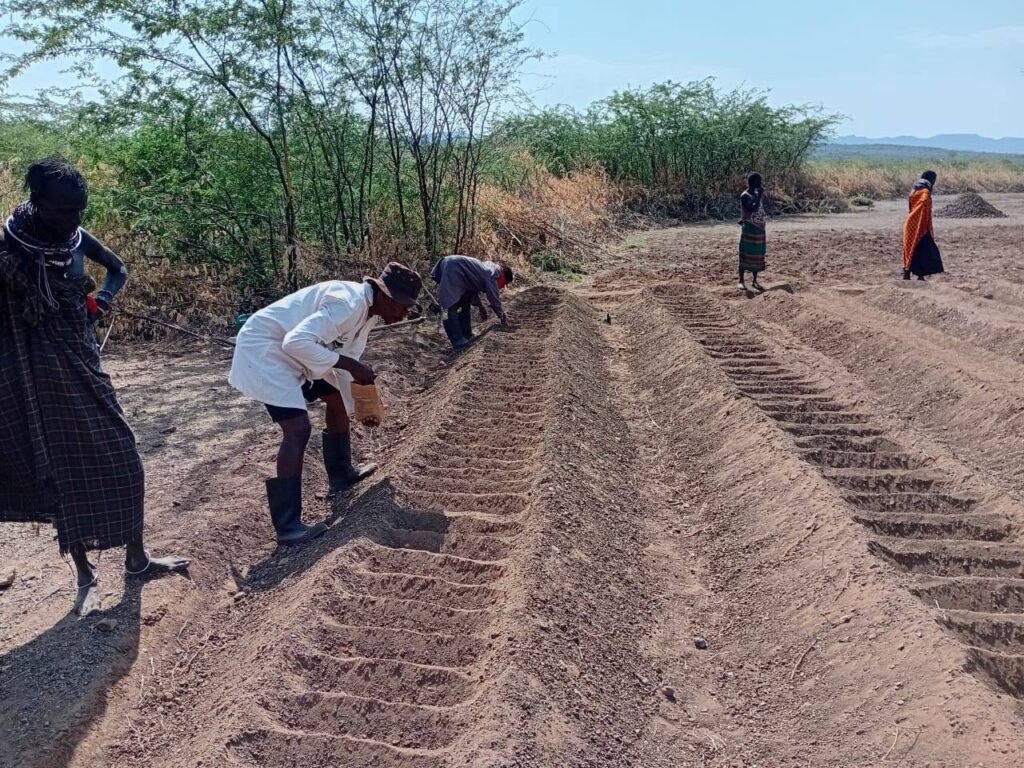
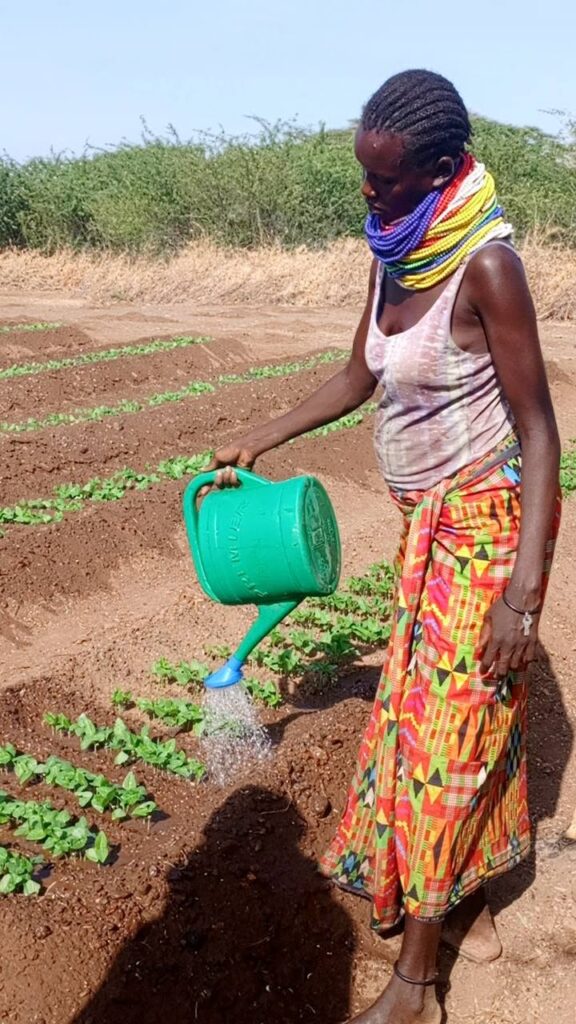
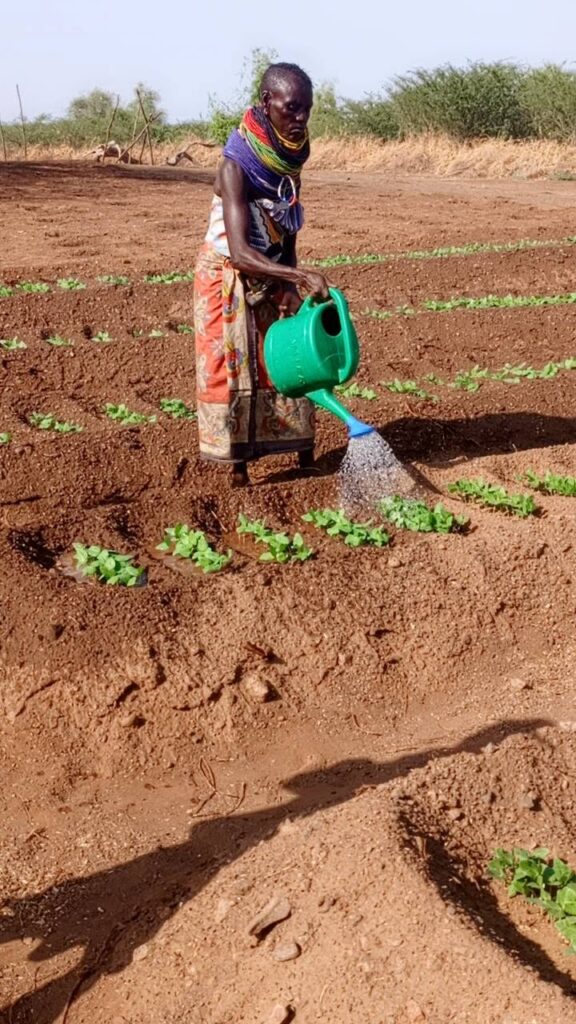
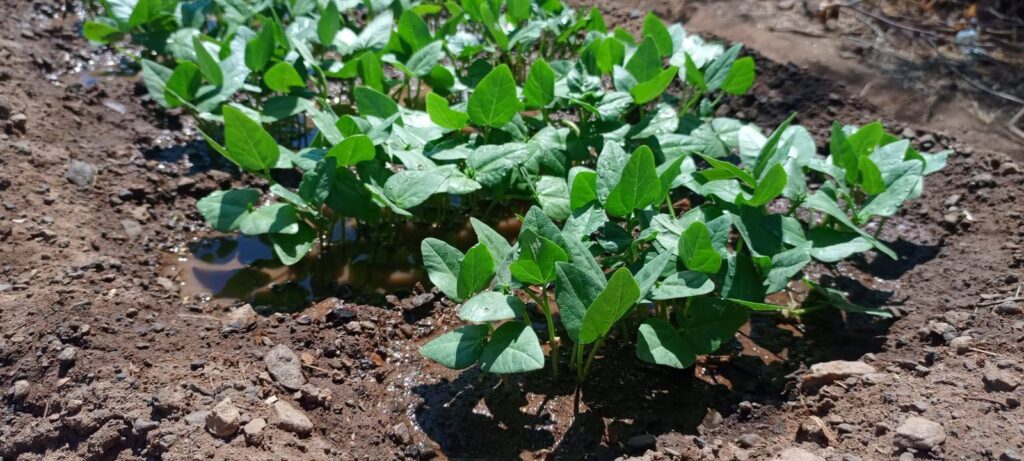
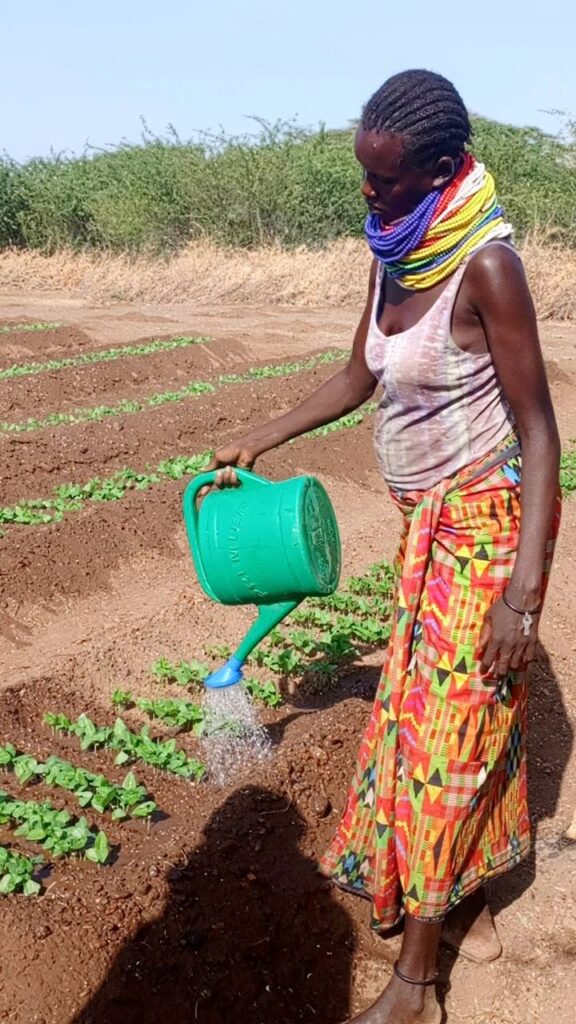
Land Allocated for the Agro-Ecology Project: The proposed area for tree planting and farming is located around the St Joan borehole. For now, it’s about 5 hectares. The local community and Church are more than willing to increase the space if needed.
Church: The church was built by Fr Michael Mutai and The Ed Colina Foundation donors in 2023 and is located inside the ECD school compound It’s called St Joan Catholic Chapel.
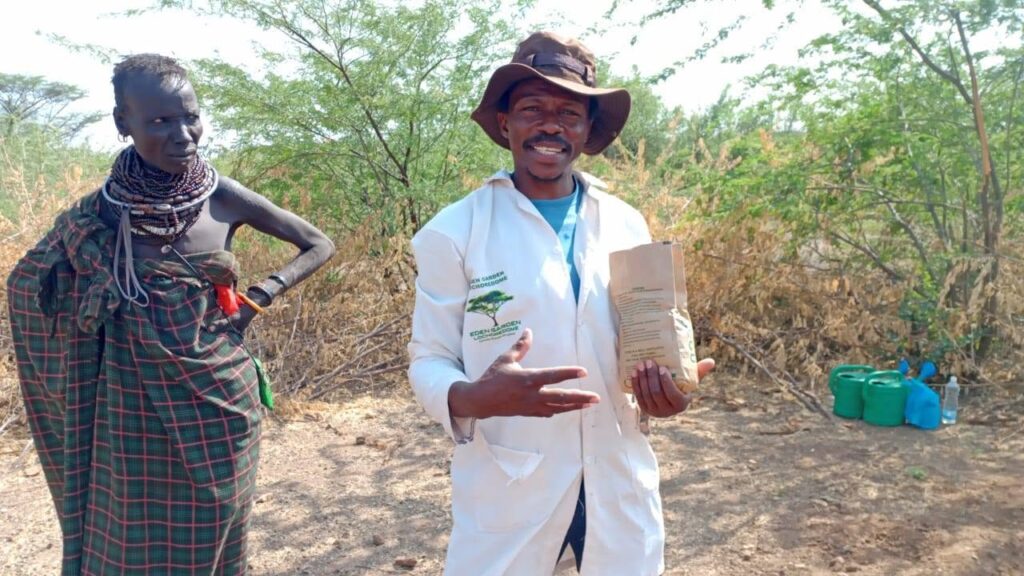
Project Participants: Currently about 45 women and 10 men are involved in preparing the site.